

A clear path from preparation to practice.
Redox Education brings tutoring and board preparation, structured U.S. clinical rotations, and career mentorship together in one guided pathway for future healthcare professionals.
Studying for Step 1? Start the Step 1 QBank free
Explore a pathway
Who Redox helps
From the first pre-med course to residency and beyond, Redox meets students where they are.

Pre-med & undergraduate
Building the academic foundation and study systems that early preparation depends on.
What Redox provides
- One-on-one tutoring
- MCAT strategy and study planning
- Coursework support
Three service pathways
One guided pathway from preparation to practice, built around the three things future healthcare professionals need most.
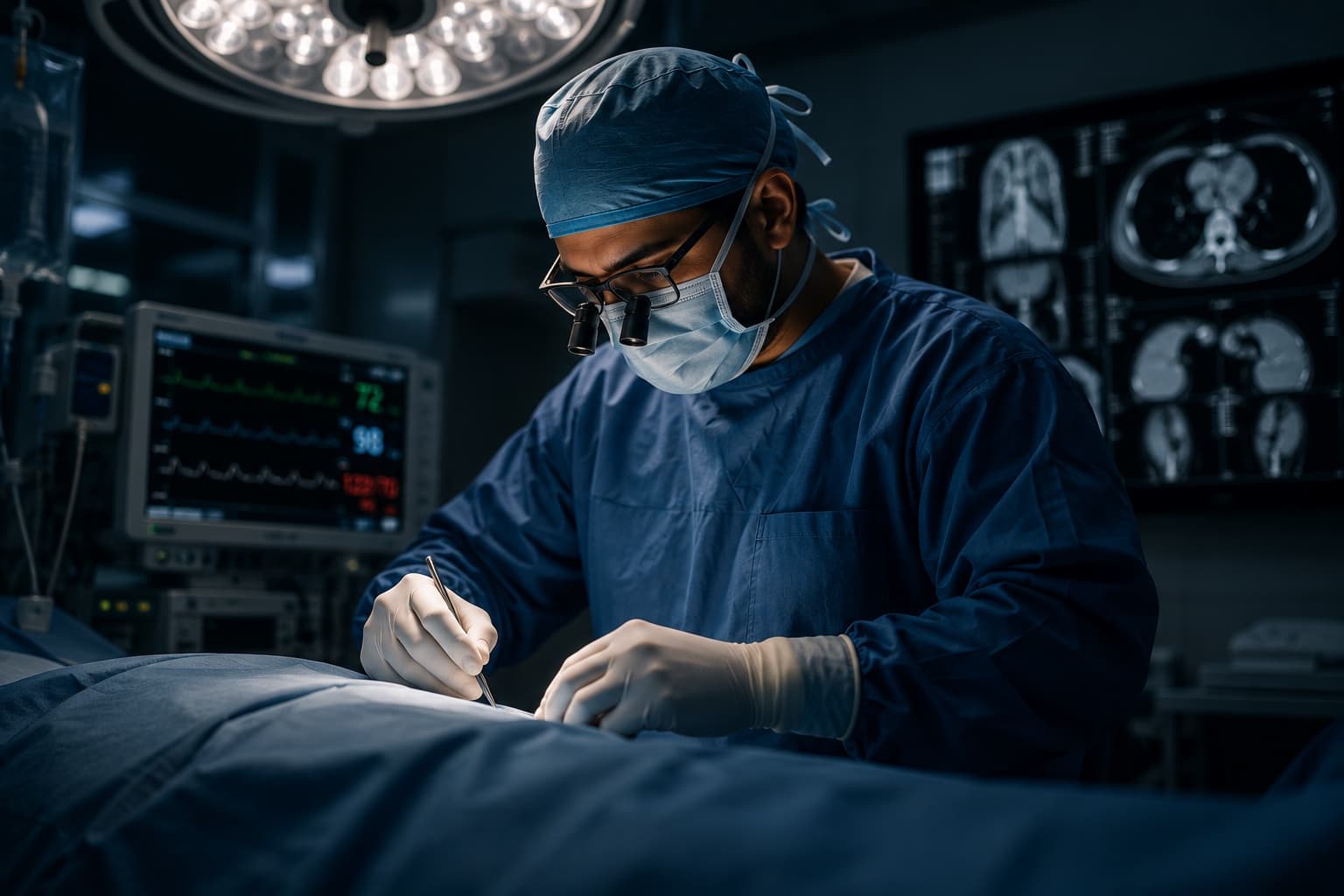
Clinical Rotations
Hospital-based U.S. clinical experience across participating sites.
See how it works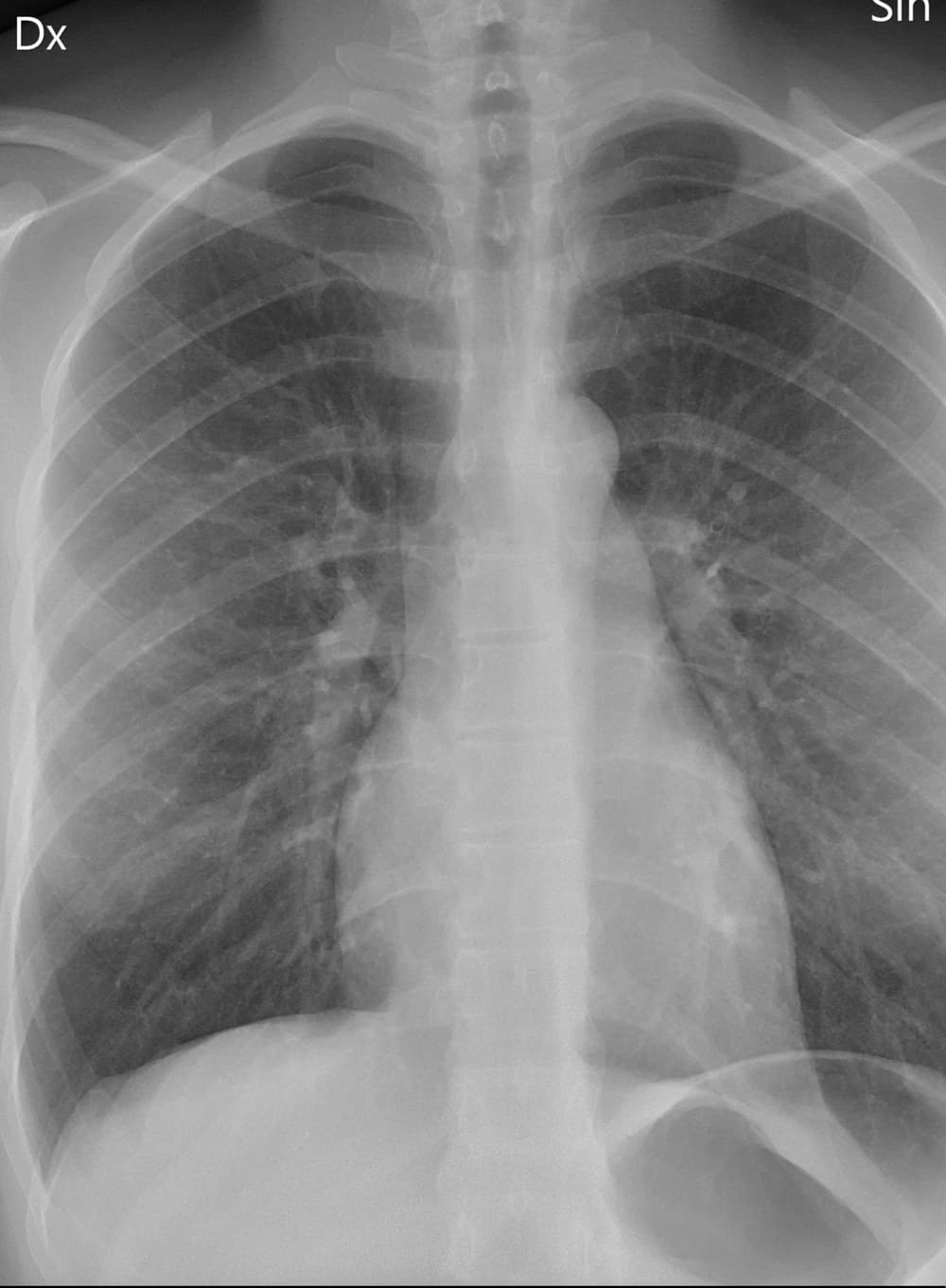
Tutoring & Exam Prep
One-on-one teaching for MCAT, USMLE, NCLEX, and coursework.
See how it works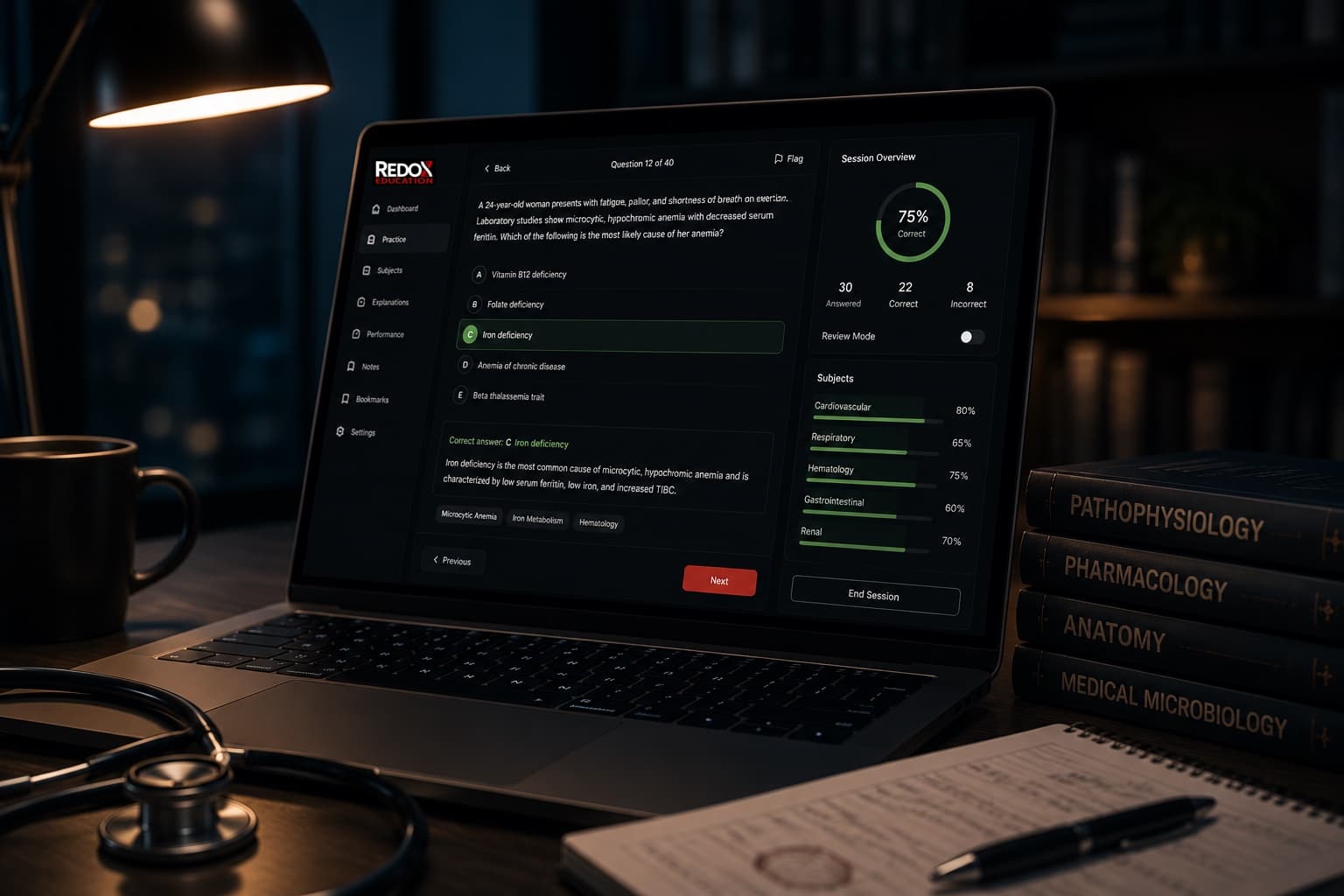
QBank & Learning Platform
Practice, rapid review, and progress tracking that build on each other.
See how it worksWhere clinical experience may be available
Select a location to see what is documented there. Participating site, specialty, experience type, learner eligibility, dates and capacity are confirmed individually during the placement process.
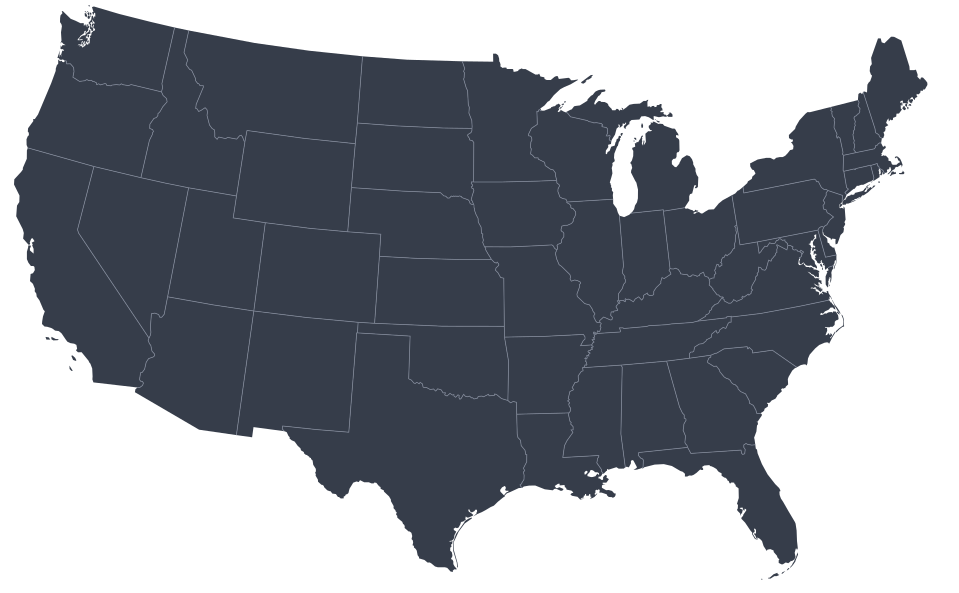
Chicago
9 specialties
Clinical Rotations & Experiences
Structured U.S. clinical experiences with participating hospital-based sites, built to develop real-world clinical competence and readiness.
Learn moreChicagoIllinois
Clinical-experience opportunities may be available in the Chicago area. Participating site, specialty, experience type, learner eligibility, dates and capacity are confirmed individually during the placement process.
Activities vary by participating site, learner status, experience type, patient consent, supervising clinician and applicable institutional requirements. No specific procedure or level of hands-on participation is guaranteed.
See the 9 specialties documented for ChicagoSee it, don’t just read it
Anyone can hand you an answer key
Real teaching shows you how to think, not just what to memorise. Work through the film below the way you would beside a Redox tutor — click each step of the ABCDE approach and see the reasoning build. That’s Redox X-Ray, and it’s how every Redox session feels.


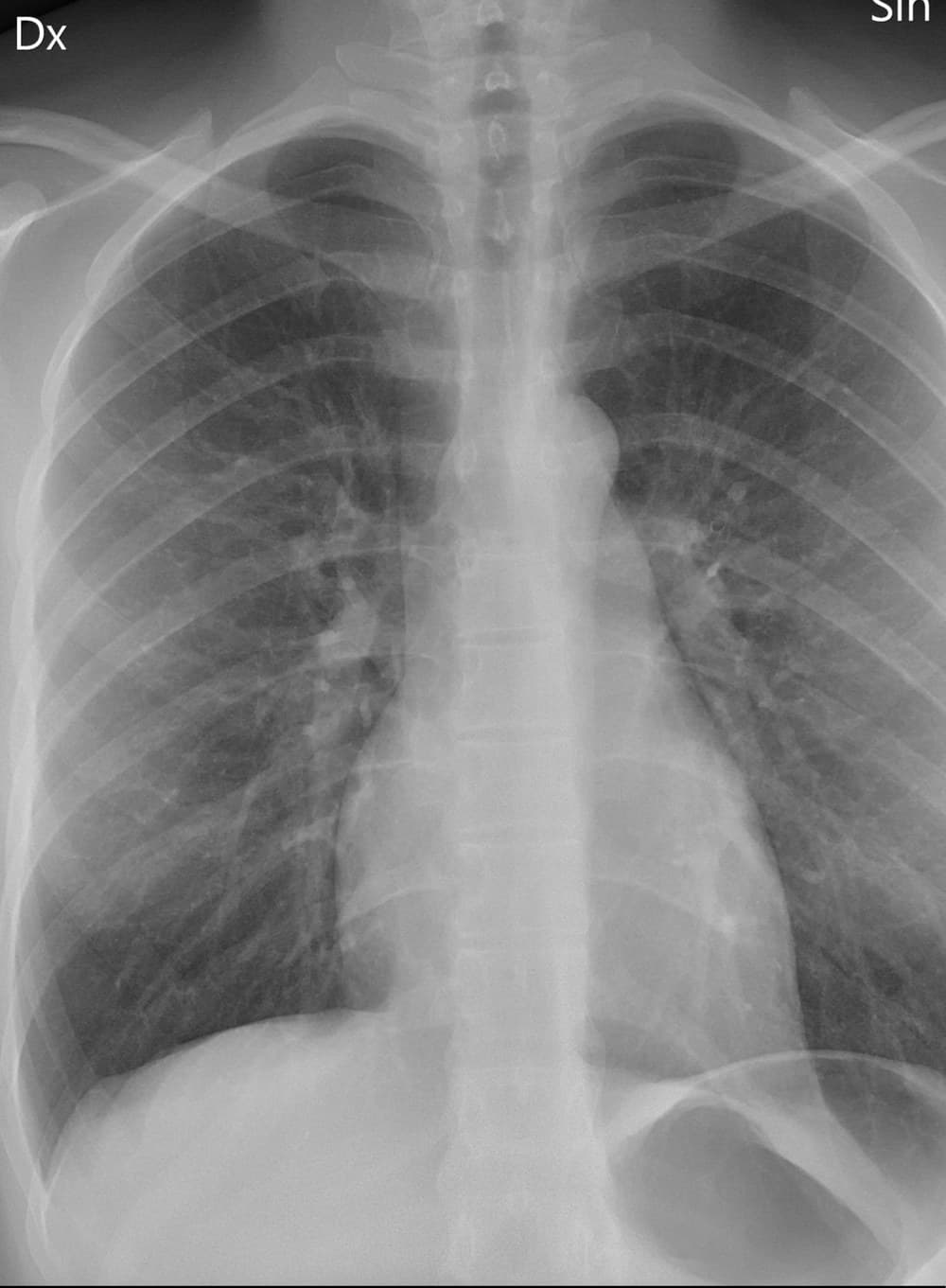
Trace the trachea from the thoracic inlet down to the carina. It should sit in the midline, with only slight rightward deviation as it approaches the carina around T4–T5. Deviation away from midline can point to mediastinal shift from a tension pneumothorax, a large effusion, or a mass. Check the carinal angle too — normally 60–70° — since widening can suggest subcarinal lymphadenopathy or an enlarged left atrium.
Compare both lung fields for symmetric lucency. Look for a pneumothorax (a visible pleural line with no lung markings beyond it), consolidation (an air-space opacity that obscures the vessel margins running through it), and effusion (a blunted costophrenic angle or meniscus sign). Trace the pulmonary vessels outward — they should taper gradually and disappear before reaching the periphery.
Estimate the cardiothoracic ratio: on a PA film, the transverse cardiac diameter should be no more than half the transverse thoracic diameter. Check the mediastinal contour for widening, which can suggest aortic pathology or hematoma, and look at the aortic knob for calcification or an irregular contour. Confirm the hilar structures are symmetric in size and density on both sides.
The right hemidiaphragm normally sits slightly higher than the left. Both costophrenic angles should be sharp and well-defined — blunting is one of the earliest signs of a pleural effusion. Look just beneath the diaphragm for free air, which can indicate a perforation, and note the diaphragm's overall contour, since elevation can point to phrenic nerve palsy or a subpulmonic effusion.
Finish with a systematic sweep: bones (fractures, lytic or sclerotic lesions, rib notching), soft tissues (subcutaneous emphysema, masses), and any support devices in view (central lines, pacemaker leads, endotracheal or NG tube position). Confirm every tube and line tip is appropriately positioned before you sign off on the film.
Practice. Review. Master.
The same clinical-vignette format you'll see inside the product — pick an answer on Practice, or switch tabs to see how the rest of the loop connects.
 QBank
QBankTry a sample question
A patient presents with muscle weakness, hypertension, and low renin. Choose the best mechanism.
Learn with living diagrams
High-yield concepts you can watch move and explore — the way the whole QBank teaches. Browse the full set of interactive study tools.
More on the way
New programs in development
Redox is growing beyond Step 1. These are the programs we’re building next.
- In development
Medical Spanish
A full-semester medical Spanish course with playable clinical dialogues, phrase cards, and interactive practice. Semester 1 in development.
Register your interest - In development
NCLEX-RN
An NCLEX-RN preparation program for nursing students, built with practicing nurse educators.
Register your interest - In development
Surgical Skills Training
A hands-on surgical and procedural skills program for students preparing for the operating room.
Register your interest - In development
Custom College Courses
Course companions and custom study modules built with college programs and instructors, tailored to a specific class.
Register your interest
Our University Partners

American University of Barbados School of Medicine
Redox Education is proud to partner with AUB School of Medicine in support of student success, medical education, USMLE readiness, and expanded opportunities for aspiring physicians.
How Redox works
- 01
Assess & plan
We start with a clear picture of your academic stage, goals, and timeline, then build a plan around it.
- 02
Prepare & perform
Structured tutoring, board preparation, and clinical experience build real competence and confidence.
- 03
Advance with continued support
Mentorship carries you through applications, interviews, and the next stage of your career.
Your success is our success.
Before Redox Educators, I spent thousands on MCAT prep without getting results. Chris and his team built a custom strategy and with their help, I hit my target score and earned acceptance to medical school.
I first started working with the Redox team while applying to nursing school. With their support, I excelled academically. The study habits I built with Chris and his team have carried me through nursing school.
I first worked with Chris to help guide me toward the right career path in college. After exploring many options, I chose a career in technology to support my family business. Along the way, I've worked with multiple Redox tutors. (special shoutout to my amazing Spanish instructor, Noemi Lira!).
Frequently asked questions
The essentials on tutoring, clinical experience, and the learning platform.
What does Redox Education offer?
Three connected pathways for future healthcare professionals: academic tutoring and board preparation, structured U.S. clinical experience, and ongoing mentorship — designed to work together from preparation to practice.
Who is Redox for?
Pre-med and undergraduate students, medical students and IMGs, and nursing and allied-health students — plus institutions looking to extend academic and clinical support to their own students.
Where are clinical-experience opportunities available?
Opportunities may be available in the Chicago, San Antonio, Miami, New York City, North Jersey, and Southern California areas. Participating site, specialty, experience type, learner eligibility, dates and capacity are confirmed individually during the placement process.
Today builds tomorrow.
Tell us where you are and where you're headed — we'll help you build the plan to get there.